Grotto-Heavens and Blessed Lands
'Dongtian fudi' is the Taoist way of classifying famous mountains and sacred sites. A 'grotto-heaven' is a cavern world inside a mountain that opens onto the realm of the immortals; a 'blessed land' is a place suited to cultivation and settled life. The idea appears from the Six Dynasties onward and was systematized in the Tang dynasty into Ten Great Grotto-Heavens, Thirty-Six Lesser Grotto-Heavens and Seventy-Two Blessed Lands.
Two Tang-era writings are central sources: Sima Chengzhen's Tianditu gongfu tu (Illustrated Record of the Palaces and Offices of Heaven and Earth) and Du Guangting's Dongtian fudi yuedu mingshan ji. Among the Ten Great Grotto-Heavens, Mount Wangwu, Mount Qingcheng, Mount Luofu and Mount Juqu (Maoshan) are often mentioned. The lists differ slightly between texts, so they are best read as a cultural geography rather than a precise map.
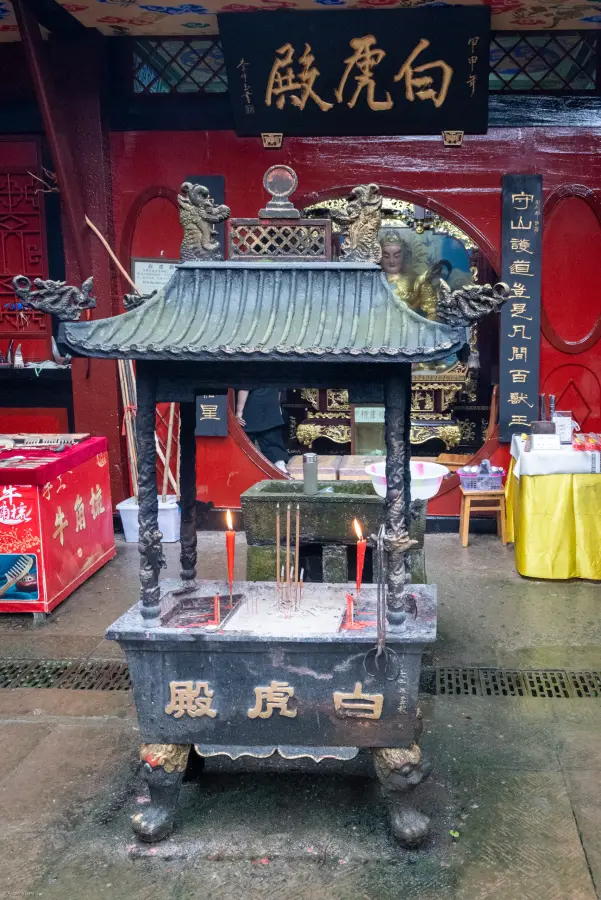
Taoist Mountains
In Taoist culture, mountains are where the energies of heaven and earth meet, and where practitioners withdraw from the bustle of the world. There is no single official list of 'Taoist mountains'; commonly cited examples include Wudang, Longhu, Qingcheng, Qiyun and the Five Sacred Peaks.
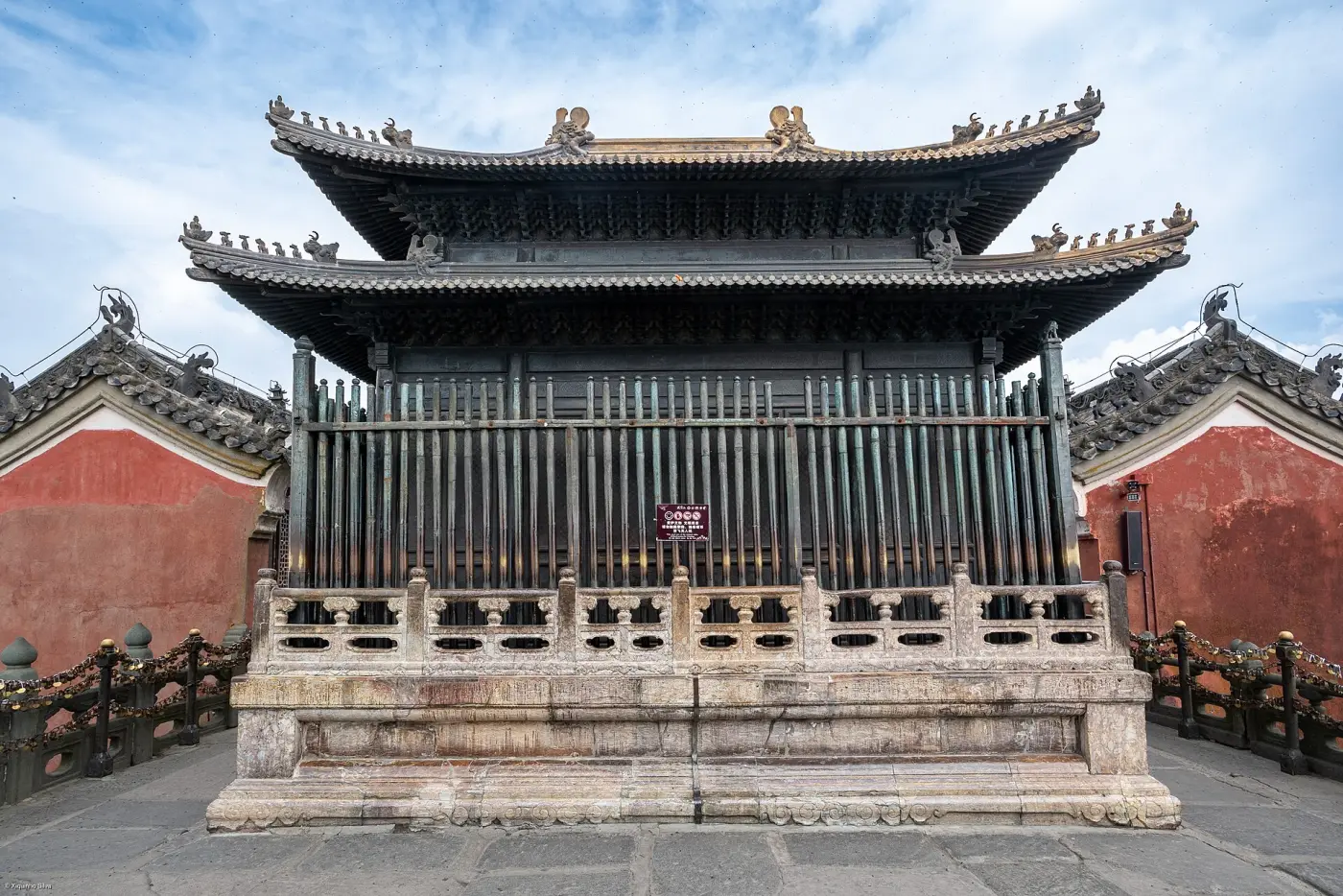
Mount Wudang
In Shiyan, Hubei, closely tied to the cult of the Perfected Warrior (Zhenwu). Large-scale temple building took place under the Ming dynasty's Yongle Emperor. The Ancient Building Complex in the Wudang Mountains was inscribed on the UNESCO World Heritage List in 1994.
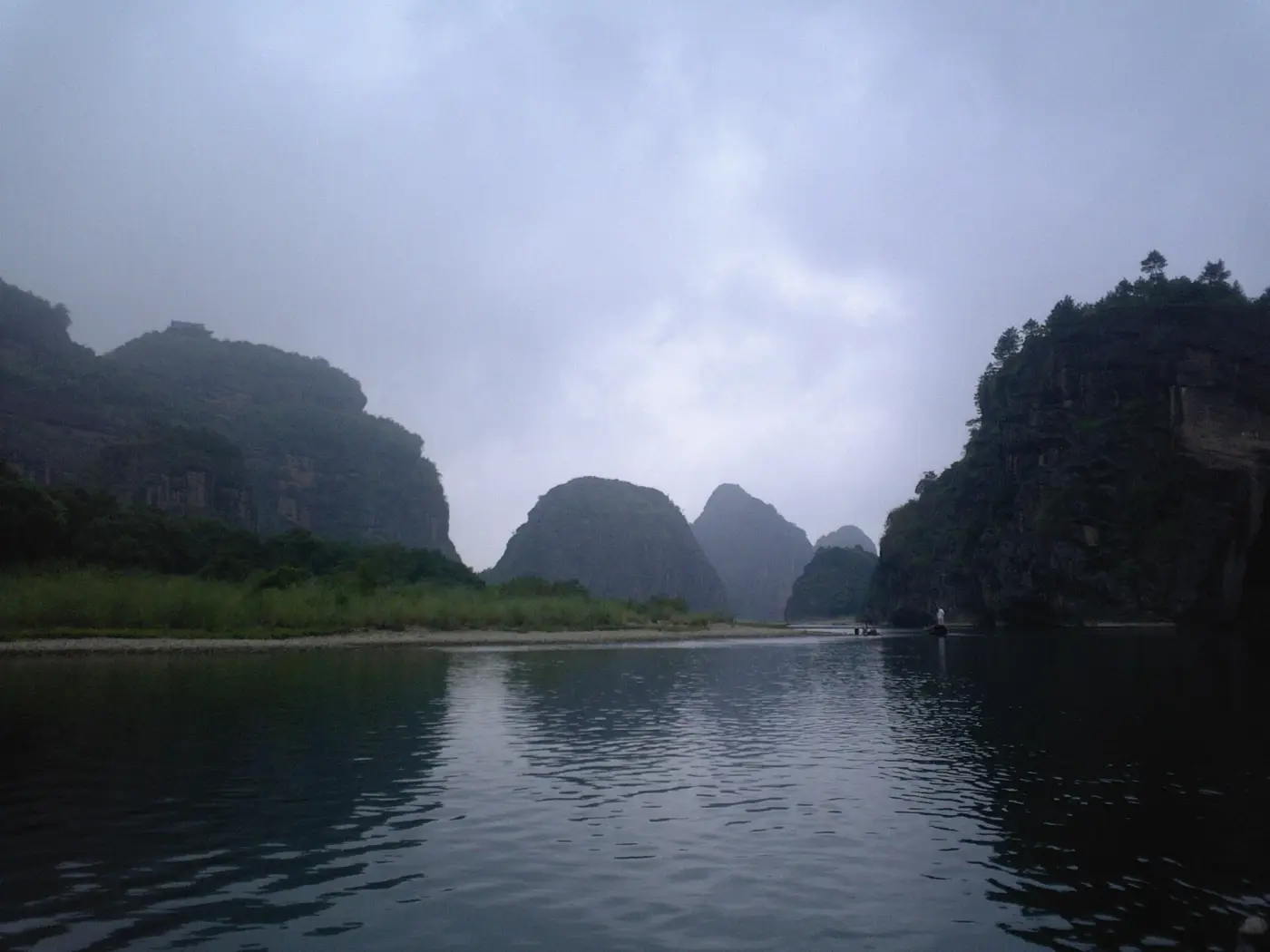
Mount Longhu
In Yingtan, Jiangxi. Tradition holds that Zhang Daoling practiced here in the Eastern Han, and later generations of Celestial Masters lived on the mountain, making it a key ancestral site of the Zhengyi tradition. Its red-rock scenery and cliff-burial remains also have notable natural and cultural value.
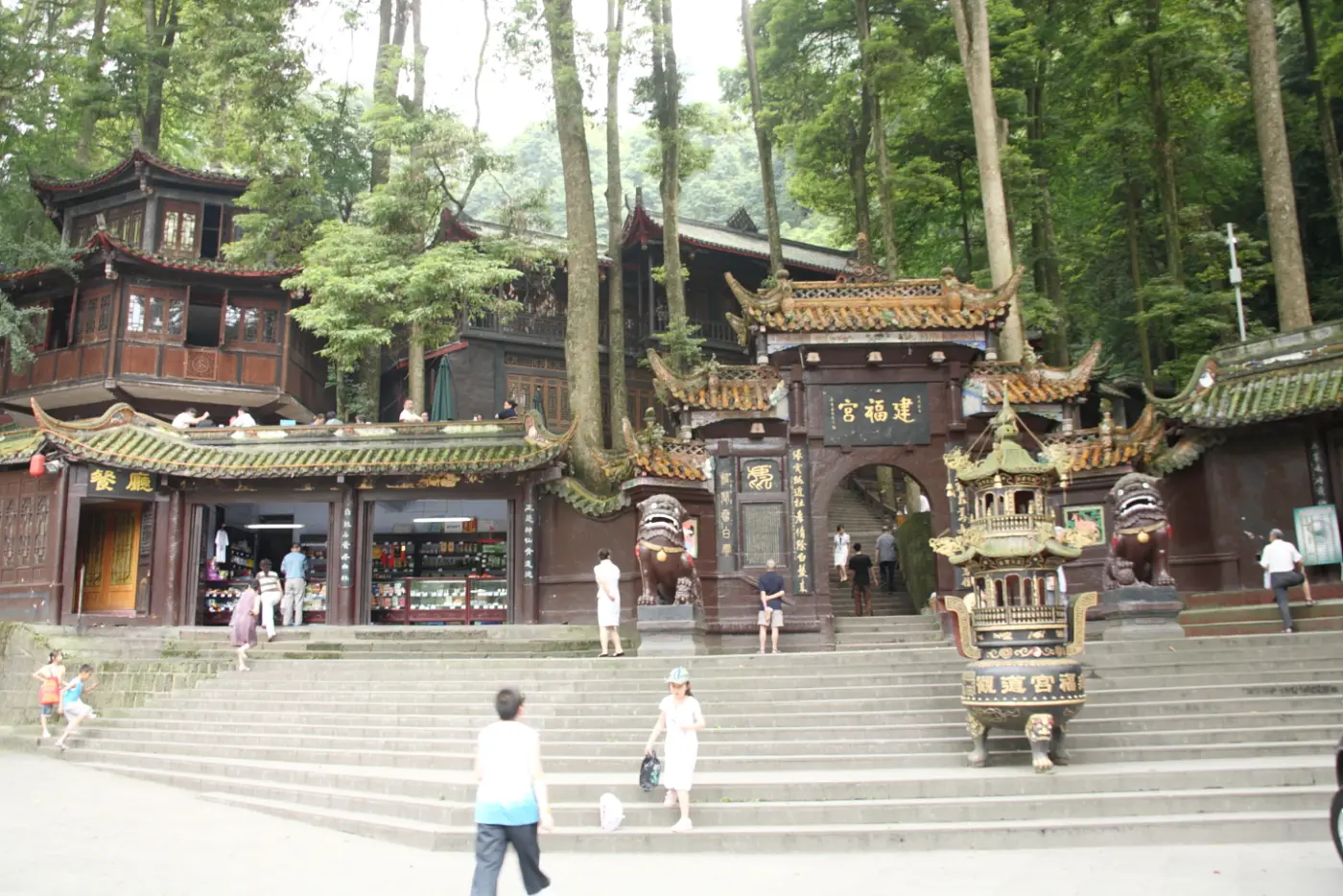
Mount Qingcheng
In Dujiangyan, Sichuan, an area linked with early Celestial Masters Taoism and counted among the Ten Great Grotto-Heavens. Mount Qingcheng and the Dujiangyan Irrigation System were inscribed on the World Heritage List in 2000.
Mount Qiyun
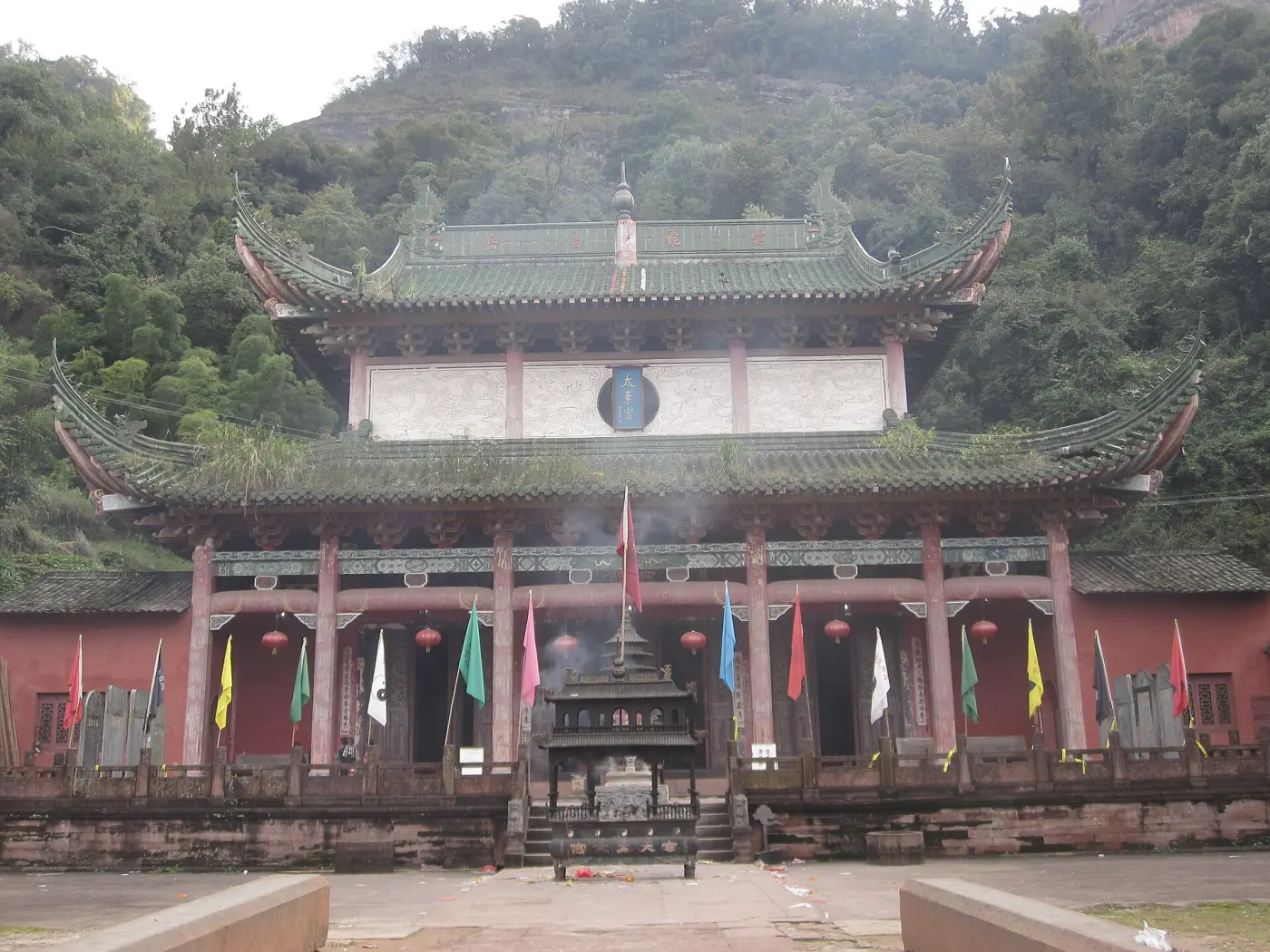
In Xiuning, Anhui, anciently called Baiyue. Taoist temples and cliff inscriptions are scattered among its rock faces and caves, and it flourished in the Ming and Qing periods as a major Taoist mountain of southeastern China.
The Five Sacred Peaks
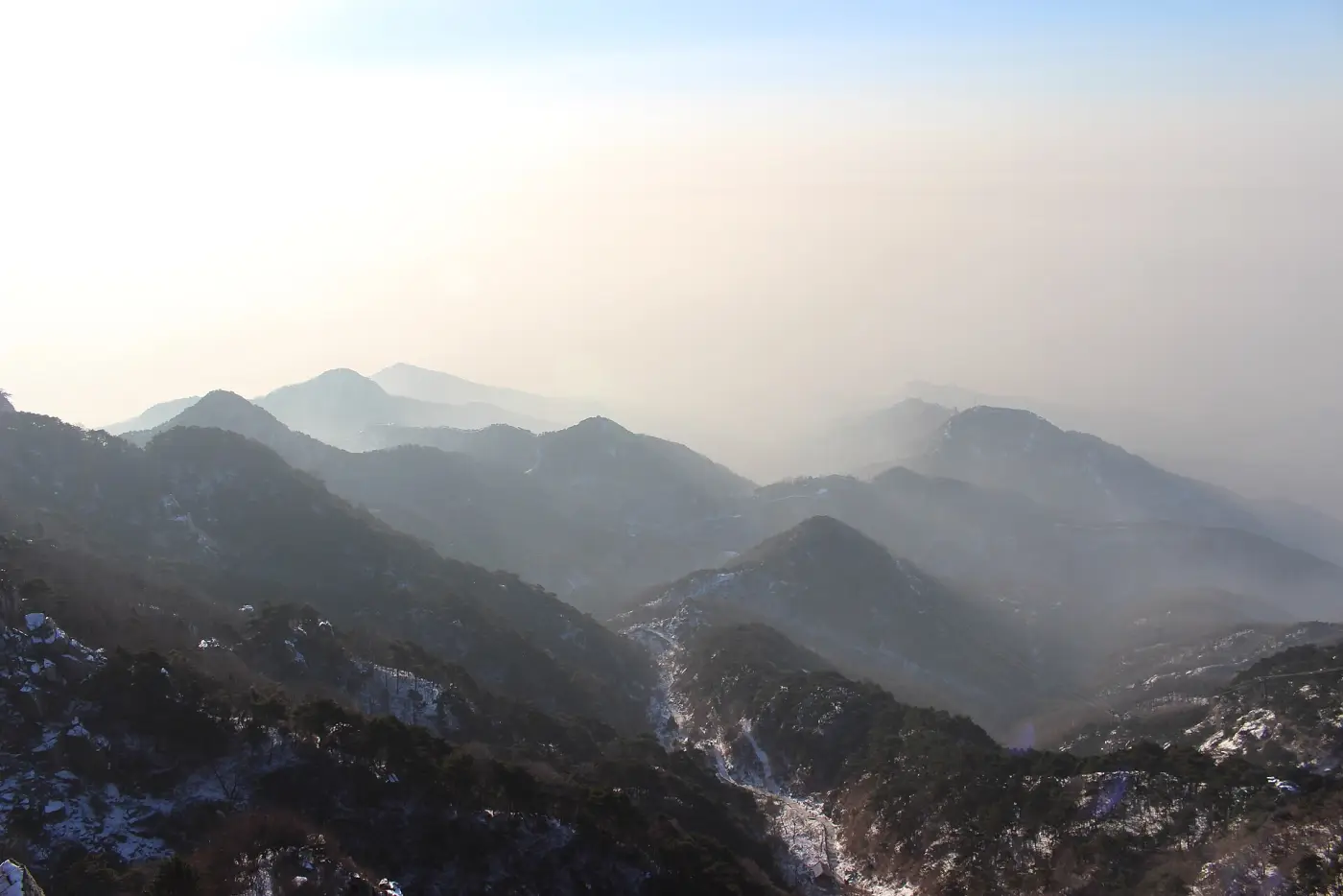
Mount Tai (east), Hua (west), Heng in Hunan (south), Heng in Shanxi (north) and Song (center) were long sites of imperial sacrifice and also interwoven with Taoist ideas of mountain deities and grotto-heavens. Mount Tai was inscribed in 1987 as a mixed cultural and natural World Heritage site.
Ancient Temples
A Taoist temple is where priests practice, perform rituals and receive visitors; larger ones are called 'gong' (palace), smaller ones 'guan' (abbey) or 'an' (hermitage). The sites below belong to different lineages and histories and serve as good entry points into Taoist history.
Baiyun Guan, Beijing
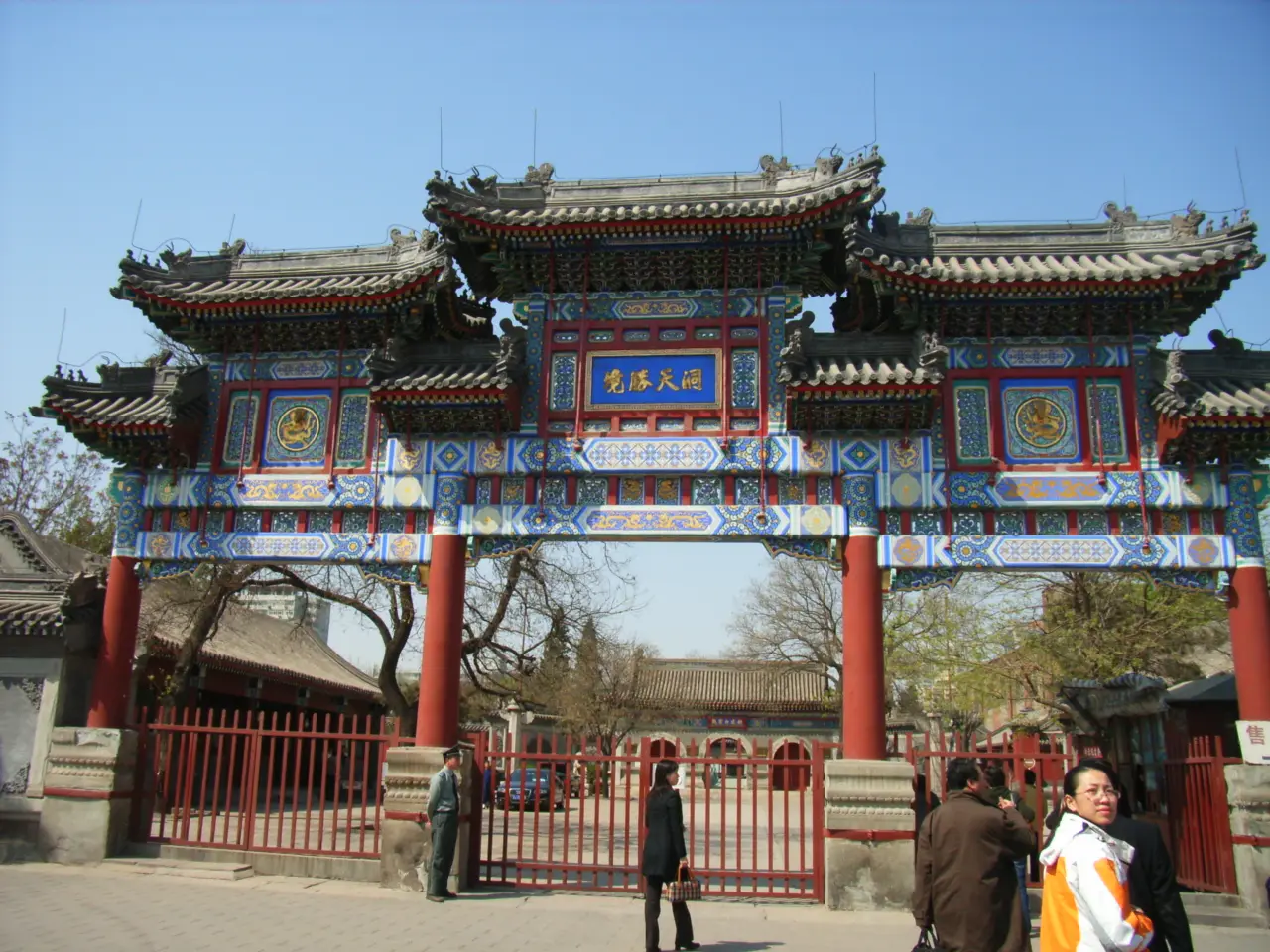
The White Cloud Temple in Beijing's Xicheng district is a major ancestral temple of the Longmen branch of Quanzhen Taoism and the seat of the China Taoist Association. Its origins go back to a Tang-era temple, while the present layout dates mainly from the Ming and Qing periods.
Yongle Palace, Shanxi
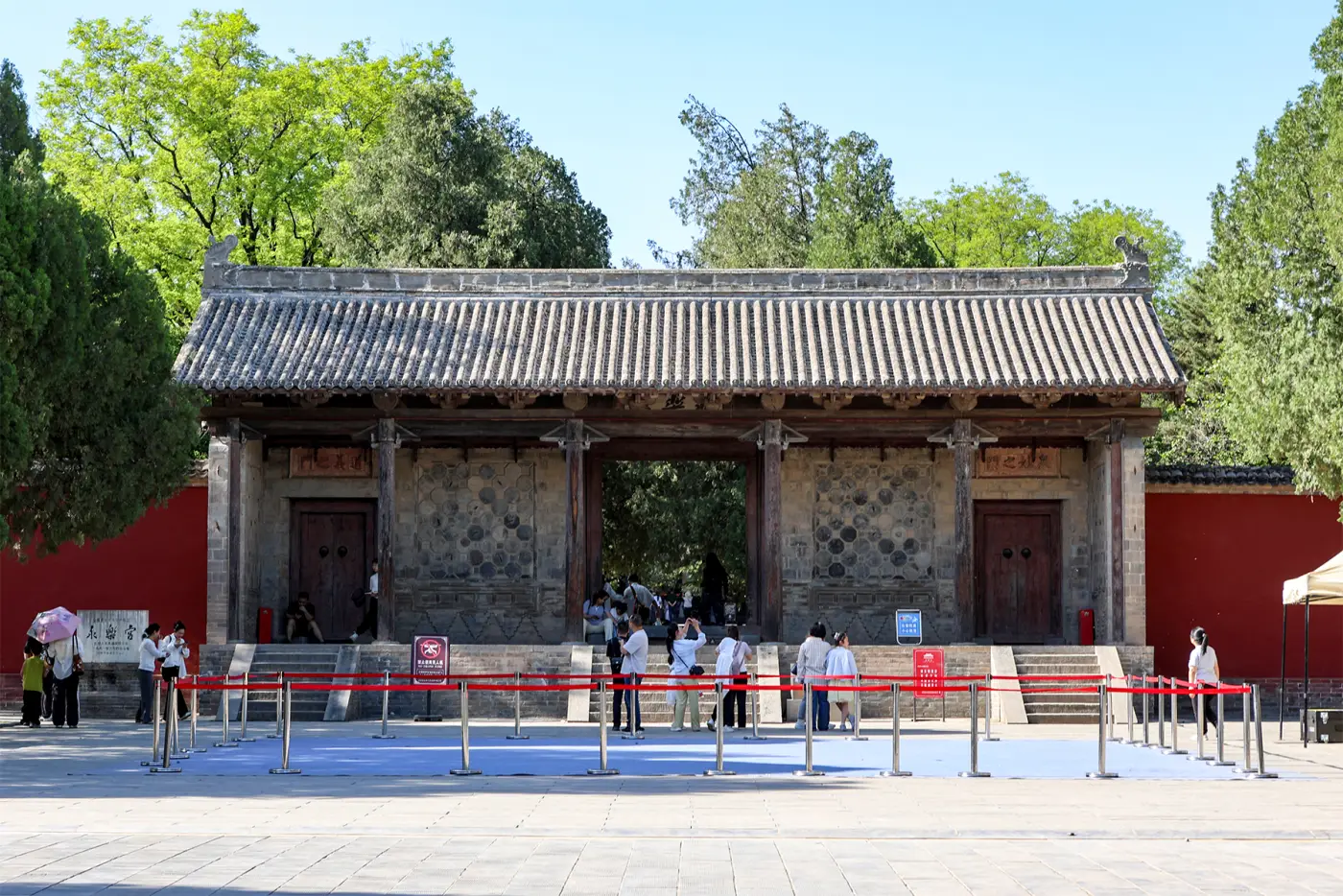
Originally in Yongji, Shanxi, the palace was moved to Ruicheng in the 1950s and 1960s because of a reservoir project. It is famed for its Yuan-dynasty murals, especially the Chaoyuan tu (Homage to the Origin) in the Hall of the Three Pure Ones, a masterpiece of Chinese mural art.
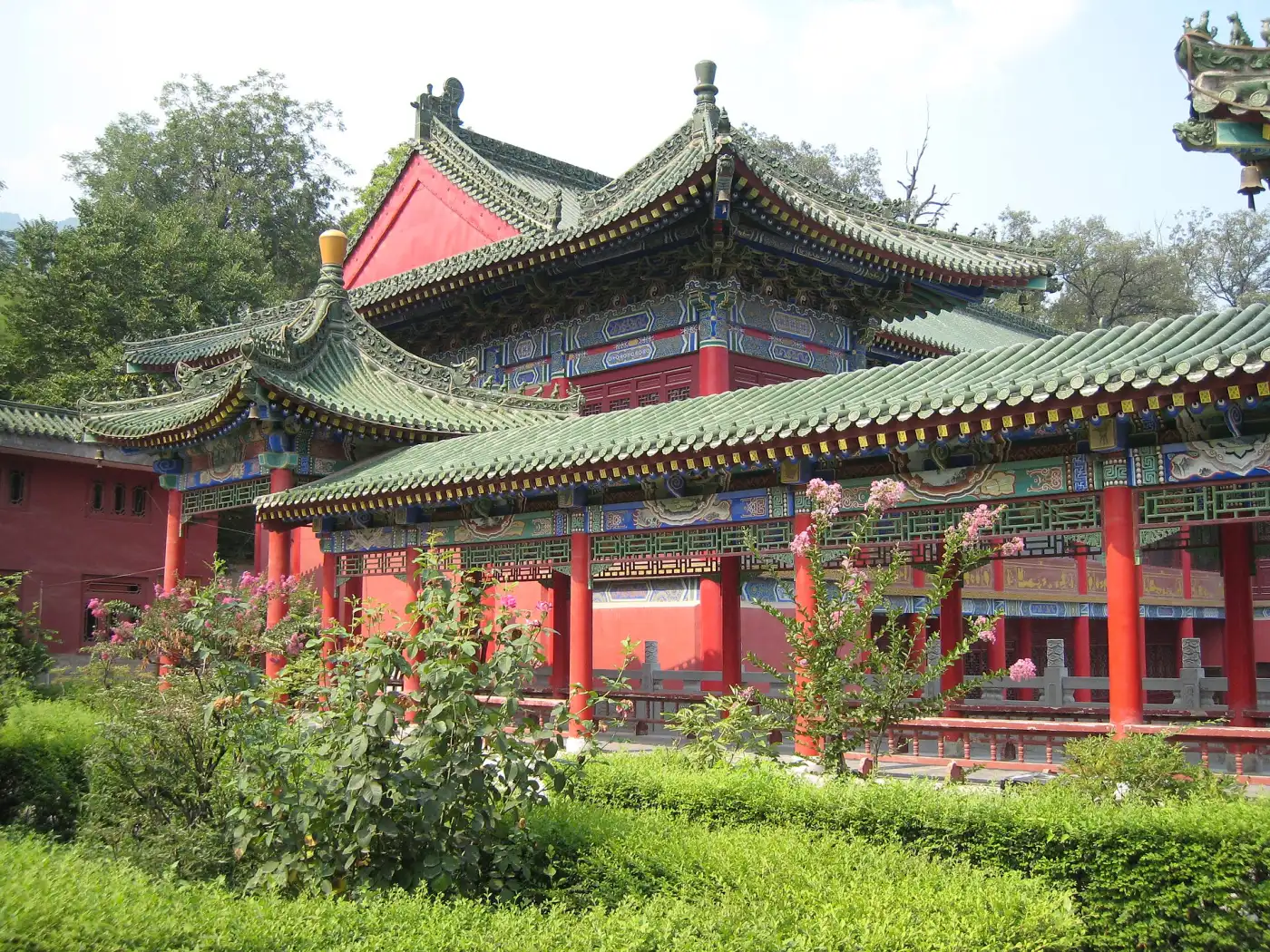
Louguantai
Located in Zhouzhi, Shaanxi, on the northern slope of the Zhongnan Mountains. Tradition says that the border guard Yin Xi welcomed Laozi here and asked him to write down his teachings, resulting in the Tao Te Ching; the site is thus regarded as one cradle of Taoism.
Tianshi Fu, Mount Longhu
The Celestial Masters' Mansion (Sihan Tianshi Fu) was the residence and place of transmission for successive Zhengyi Celestial Masters, and remains an important site for studying the history of the Zhengyi tradition.
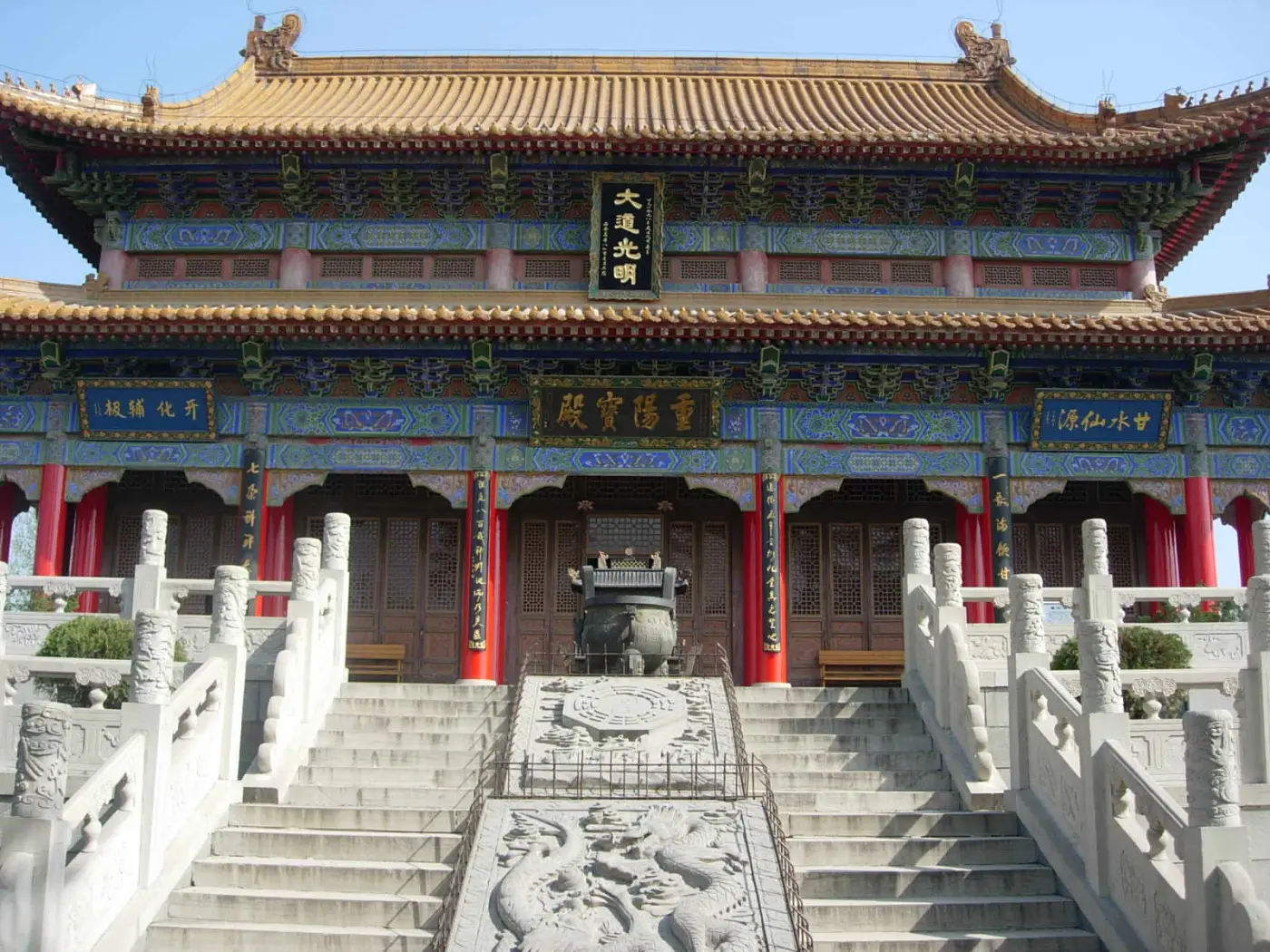
Chongyang Gong
In Huyi District, Xi'an, linked to the early ascetic life of Wang Chongyang, founder of Quanzhen Taoism. It is regarded as an ancestral court of the Quanzhen order and grew into a large temple complex in the Jin and Yuan periods.
Architecture and Art
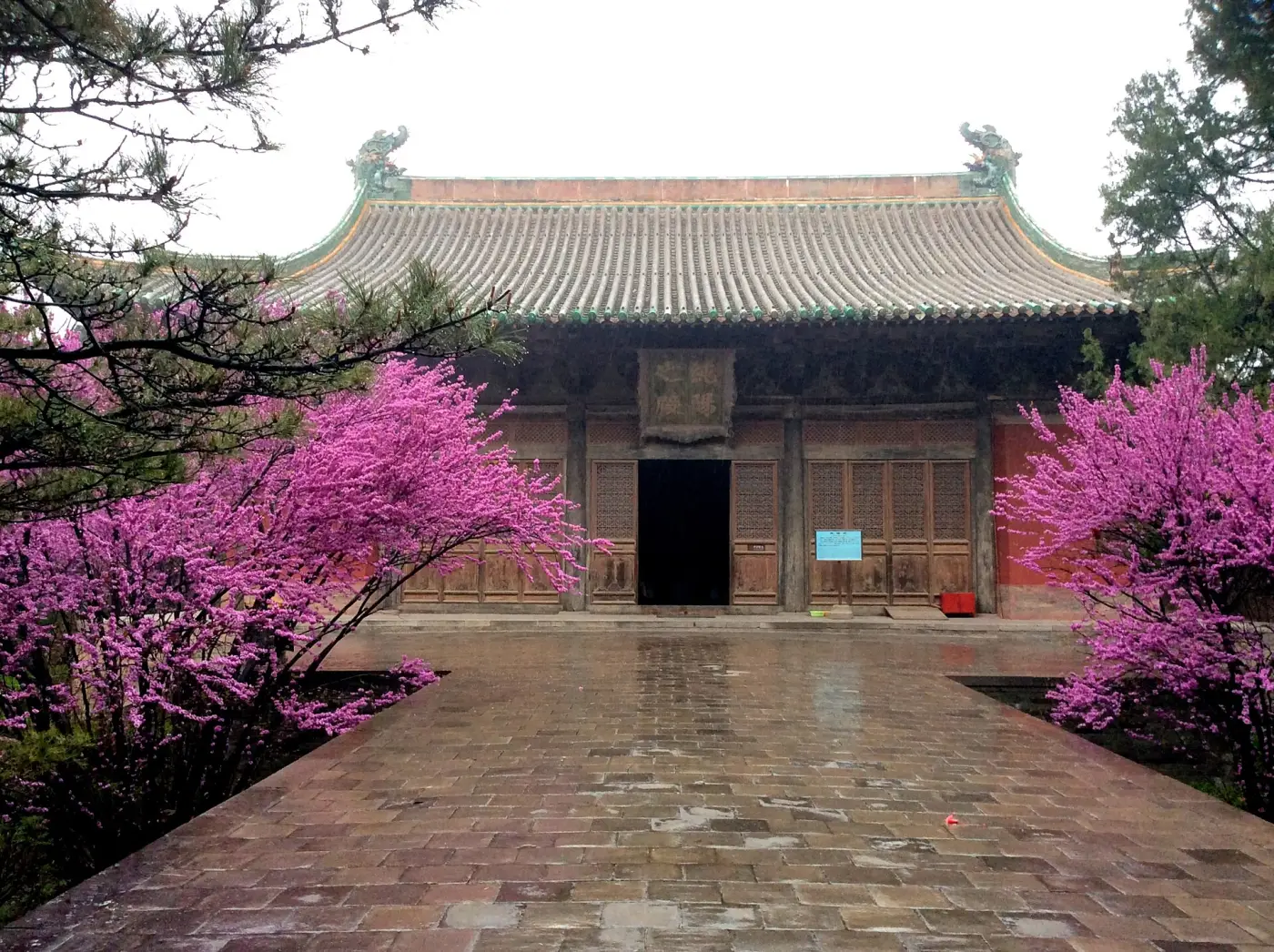
Taoist temples generally follow the traditional Chinese courtyard plan. Main buildings such as the mountain gate, the Hall of the Spirit Official (Lingguan Dian) and the Hall of the Three Pure Ones are often arranged along a central axis, flanked by bell and drum towers, side halls and living quarters. Temples on mountains adapt to the terrain, stressing harmony between buildings and nature.
Roof ridge figures, bracket sets, murals and statues all form part of temple art, while couplets and plaques use calligraphy to name the deities worshiped and express ideals of practice. Motifs such as the taiji diagram, the eight trigrams, cranes and auspicious clouds symbolize the balance of yin and yang, longevity and the unity of heaven and humanity.
Visiting Etiquette
Taoist temples are active places of worship, so quiet behavior and modest dress are basic courtesies. Avoid revealing clothing, keep your voice low inside halls, and heed signs that mark areas closed to visitors.
Photography is usually allowed outdoors, but it is often restricted in front of statues or during ceremonies; follow posted rules and ask a priest when in doubt. Do not touch statues, altars or ritual implements. If you wish to offer incense, use what the temple provides and follow its guidance, but there is no obligation to take part. Respect is the best way to honor local belief and culture.
References
- Qing Xitai, ed., Zhongguo daojiao shi (History of Chinese Taoism), Sichuan People's Publishing House.
- Livia Kohn, ed., Daoism Handbook, Leiden: Brill, 2000.
- UNESCO World Heritage List: Ancient Building Complex in the Wudang Mountains (1994); Mount Qingcheng and the Dujiangyan Irrigation System (2000); Mount Taishan (1987).